
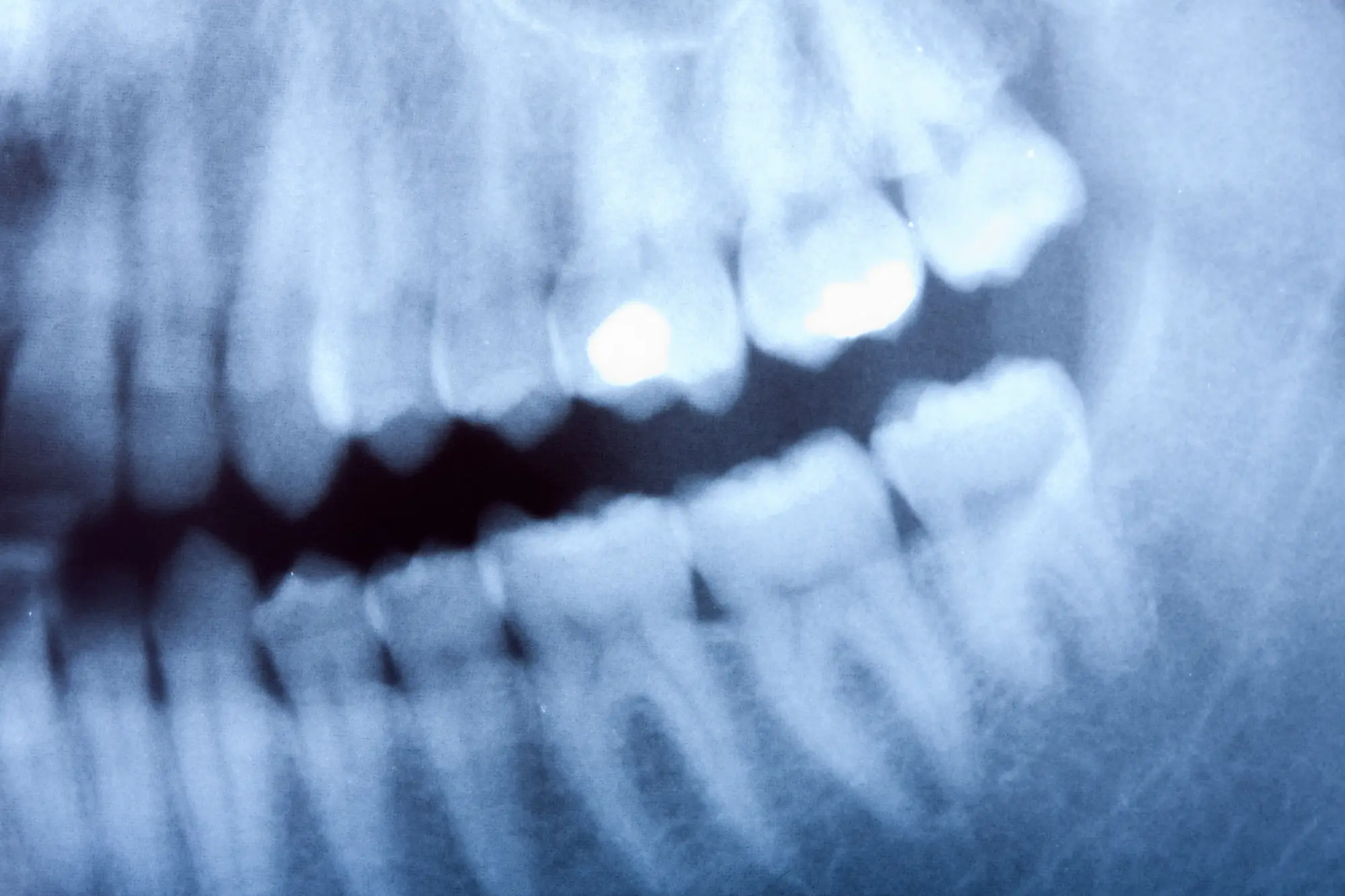
For many people, the mere mention of wisdom teeth brings a mix of curiosity and concern. Whether it's the fear of an emerging tooth causing discomfort or the uncertainty of what’s happening beneath the surface, understanding the development of your wisdom teeth is essential.
At Alexandria Oral Surgery in Alexandria, VA, Dr. Jeffrey Rothman and Dr. Vincent Nguyen help patients navigate this milestone with confidence, using advanced X-ray imaging technology to assess wisdom teeth and ensure a comfortable, well-planned treatment experience if intervention is needed. But how exactly do dentists use X-rays to check wisdom teeth development? Let’s break it down step by step.
Why Are X-Rays Necessary for Wisdom Teeth?
Wisdom teeth, or third molars, are the last set of teeth to develop, typically emerging between the ages of 17 and 25. However, their arrival doesn’t always go smoothly. Because of their location at the very back of the mouth, wisdom teeth often grow in ways that can cause pain, infection, or damage to surrounding teeth. They may:
- Grow at an angle, pushing into neighboring teeth (impaction).
- Fail to fully erupt, remaining trapped under the gums.
- Cause overcrowding or alignment issues.
- Lead to cysts or gum infections.
X-rays allow your dentist or oral surgeon to see below the gumline, where potential issues may not yet be visible. This crucial tool provides a detailed map of the wisdom teeth’s position, orientation, and development stage, enabling a proactive approach to your care.
How X-Rays Reveal Wisdom Tooth Development
Identifying Wisdom Teeth at an Early Stage
During routine dental check-ups, your dentist may recommend a panoramic X-ray or a series of smaller, bitewing X-rays to check for the presence of wisdom teeth. These images can reveal whether the teeth are forming normally, show their size, and identify if sufficient space exists in the jaw for them to erupt properly.
Detecting Impaction or Misalignment
Impacted wisdom teeth are a common issue, occurring when the tooth doesn’t have enough room to emerge or grows at an angle. Using advanced imaging techniques, Dr. Rothman and Dr. Nguyen will assess if a tooth is pressing against the second molar or causing damage, allowing you to address the situation early and avoid potential complications.
Insights Through Advanced Technology
At Alexandria Oral Surgery, we incorporate cutting-edge 3D X-ray technology for unmatched precision in treatment planning. Cone beam computed tomography (CBCT) imaging provides three-dimensional views of your jaw structure, making it possible to evaluate wisdom teeth development with a level of clarity and accuracy traditional X-rays can’t achieve. This enhanced view helps patients better understand their unique case and treatment options.
What Happens After X-Rays? The Decision-Making Process
If your X-rays indicate potential issues with your wisdom teeth, our team will guide you through the next steps with care, clarity, and personalized attention. Here’s what the process typically looks like:
- Comprehensive Consultation: Dr. Rothman or Dr. Nguyen will sit down with you to explain the findings from your X-ray in easy-to-follow terms. You’ll better understand the condition of your wisdom teeth and any potential risks involved in leaving them untreated.
- Personalized Treatment Plan: Based on your X-ray results, we’ll create a tailored course of action. If removal is necessary, every aspect of your procedure, from scheduling to pre-op instructions, is carefully organized for a smooth and stress-free experience.
- Patient Education: You’ll receive detailed pre-operative and post-operative guidance, equipping you with the knowledge and resources needed for a successful recovery. Whether it’s tips for managing swelling or dietary recommendations, we’re by your side every step of the way.
Frequently Asked Questions About Wisdom Teeth X-Rays
How often should I get X-rays for wisdom teeth?
X-rays should be taken yearly during routine checkups and teeth cleanings for most adult patients. If you're experiencing symptoms like pain, swelling, or jaw discomfort, X-rays may be taken sooner to identify the cause of the issue.
Are X-rays safe?
Yes, modern digital dental X-rays are considered very safe and emit minimal radiation. Alexandria Oral Surgery uses modern imaging equipment designed for both precision and patient safety. If you have concerns, let us know, and we’ll answer any questions to put your mind at ease.
Will removing wisdom teeth hurt?
Our board-certified oral surgeons prioritize your comfort through every step of care. We use advanced anesthesia options to ensure a pain-free procedure and will work closely with you on effective pain management during recovery.
Experience Compassionate Care and Advanced Expertise
At Alexandria Oral Surgery, we believe every patient deserves expert care delivered with empathy and respect for your concerns. Dr. Rothman and Dr. Nguyen are board-certified oral surgeons who combine advanced technology with a commitment to clear communication and personalized attention.
From the detailed imaging equipment we use to evaluate your wisdom teeth to the step-by-step support we provide throughout the treatment process, we are dedicated to making your experience seamless from start to finish.
Take the Next Step Toward a Healthier Smile
Whether you’re concerned about wisdom tooth pain or simply want to ensure your oral health is on the right track, Alexandria Oral Surgery is here to help. With our expertise and patient-focused approach, you can feel confident knowing your care is in the best hands.
Schedule a consultation with Dr. Rothman and Dr. Nguyen today by calling (703) 370-3012. Don’t wait. Take control of your oral health today and you can enjoy peace of mind for years to come!


