.svg)
Tori Removal in Alexandria, VA
Relieve discomfort. Restore function. Feel at ease in your own mouth.
The right care for bony growths in your mouth
What are Oral Tori?
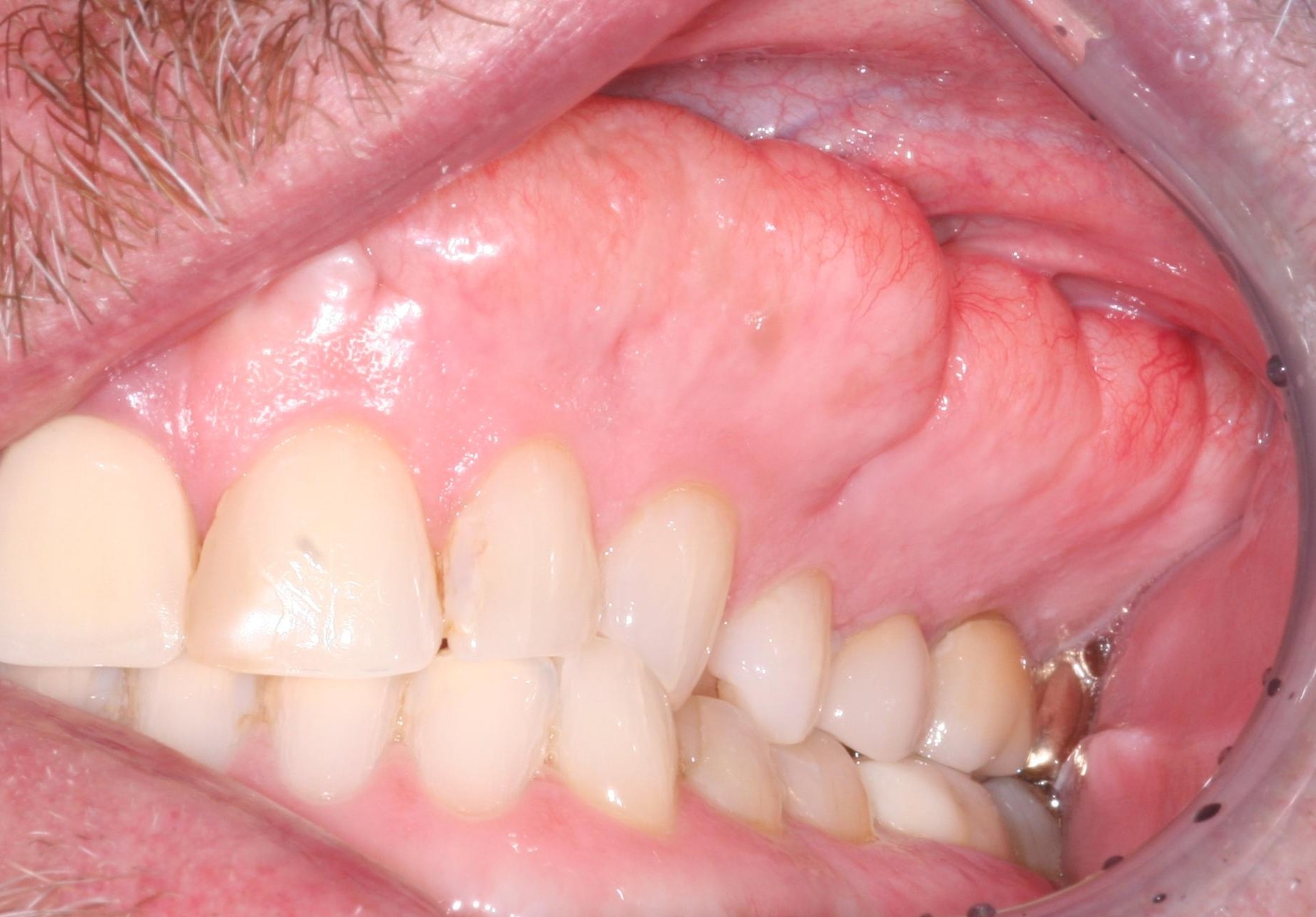
Oral tori are bony growths in the mouth. Some form along the inside of the lower jaw, some on the roof of the mouth, and others near the cheeks. Typically, they are harmless and slow growing. However, they can potentially cause pain, affect speech, create cosmetic concerns, interfere with oral hygiene or impact dental work.
The Benefits of Tori Removal
For patients whose tori are causing problems, removal offers lasting relief and improved quality of life. The procedure smooths away excess bone, restoring normal oral anatomy and function.
- Relief from chronic irritation or ulceration
- Improved comfort while eating and speaking
- Better fit and function for dentures or dental prosthetics
- Clearer path for future implant or restorative treatment
- Easier daily oral hygiene
- Peace of mind with a confirmed diagnosis

Types of Oral Tori
Tori can appear in several locations, and the approach to removal is tailored accordingly.

Mandibular tori (torus mandibularis)
Bony growths on the inner surface of the lower jaw, typically near the premolars. They often appear on both sides.
These are the most frequently removed tori, particularly when they interfere with tongue movement, speech, or denture placement.
.svg)
Palatal tori (torus palatinus)
A growth on the midline of the hard palate (the roof of the mouth). Palatal tori can range from a small, barely noticeable ridge to a large, lobulated mass that affects swallowing, speech, and prosthetic fit.

Buccal exostoses
These growths develop on the outer surface of the upper jaw. They are most often removed when they cause irritation, interfere with hygiene, complicate dental work, or cause cosmetic concerns.

The Tori Removal Process
Tori removal is a routine outpatient procedure performed right here in our Alexandria office.
1
Consultation and evaluation
Your surgeon will examine the tori, review any necessary imaging, and confirm the diagnosis. Together, you'll discuss whether removal is recommended based on the size, location, and symptoms of your tori. If you wear or plan to wear dentures, or if you're planning implant treatment, your surgeon will incorporate tori removal into a broader treatment plan.
2
Surgical removal
Your surgeon makes an incision in the gum tissue overlying the growth, then carefully reduces and smooths the excess bone using specialized instruments.
3
Healing and follow-up
Recovery is similar to that of a tooth extraction. Some swelling and soreness are normal in the first few days and are managed with prescribed or over-the-counter medication. A soft diet is recommended during the initial healing period. Sutures are typically removed or dissolve on their own within one to two weeks. Your care team will schedule a follow-up to confirm healing is progressing well.
Frequently Asked Questions
Are oral tori dangerous?
No. Tori are benign bony growths and are not cancerous. However, because they can occasionally resemble other oral conditions, it's important to have any new or changing growth evaluated by an oral surgeon to confirm the diagnosis. Once identified as tori, they require treatment only if they are causing problems.
Will tori grow back after removal?
In most cases, tori do not return after surgical removal. However, if underlying contributing factors — such as bruxism (teeth grinding) — are not addressed, there is a small chance that regrow can occur over time. Your surgeon will discuss strategies to reduce this risk as part of your overall care plan.
Is tori removal covered by insurance?
Coverage varies by plan. When tori removal is performed for functional reasons — such as to enable denture placement or address significant discomfort — it may be covered in part by dental. Our team will work with you to understand your benefits and help maximize your coverage by dental insurance.
How do I know if my tori need to be removed?
Removal is recommended when tori cause recurring irritation or ulceration, interfere with eating, speaking, or swallowing, prevent a proper fit for dentures or dental appliances. Not all tori need treatment—some just need watching. If yours may complicate implants or future dental work, let our team assess them. Schedule your consultation with us today.
What causes oral tori to develop?
The exact cause isn't fully understood, but tori are believed to result from a combination of genetics, local mechanical stress on the jaw, and habits like bruxism. They tend to develop in middle age and grow very slowly.


